















About Eric Deggans
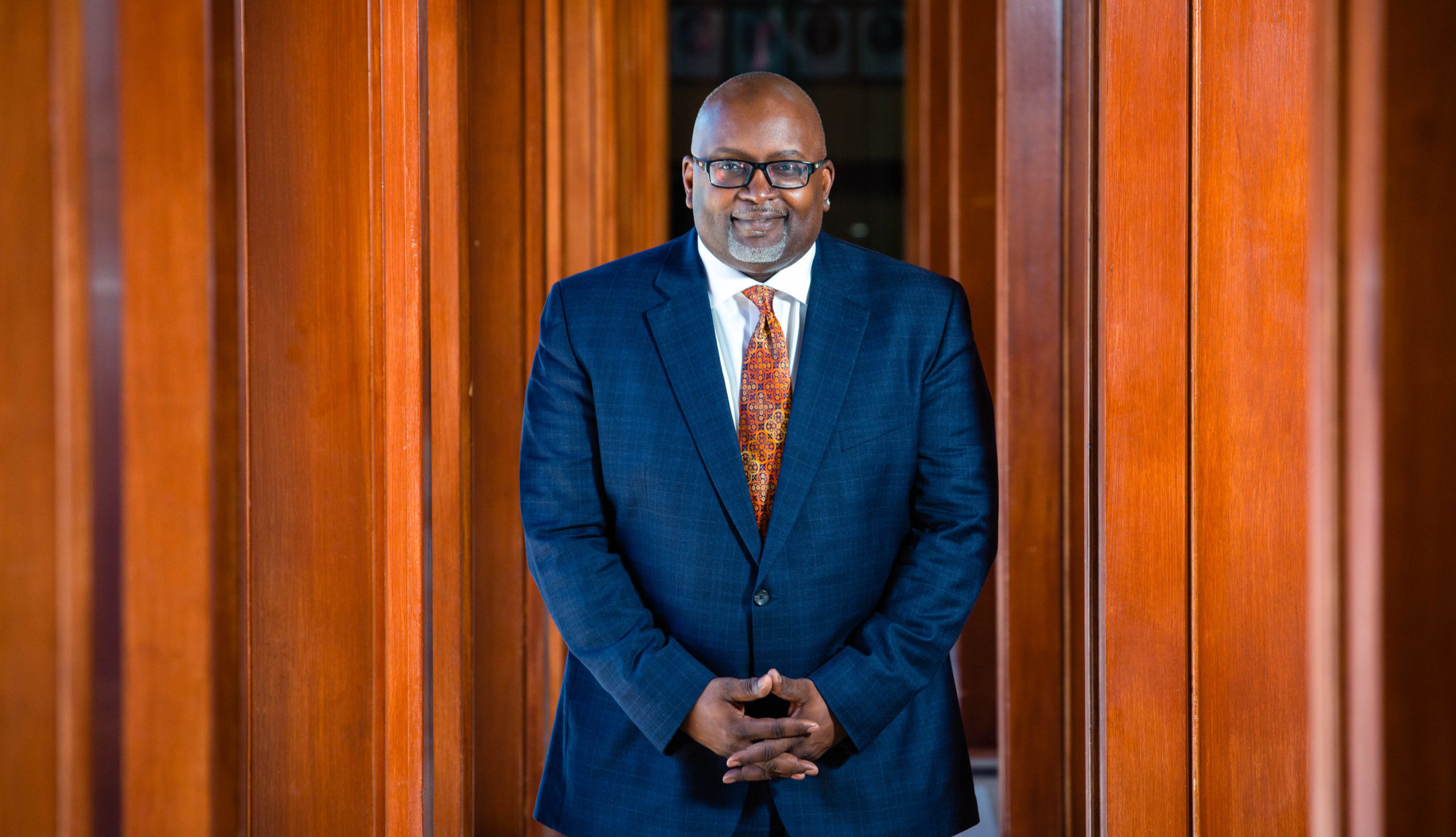
Eric Deggans is the Knight Professor of Journalism and Media Ethics at Washington and Lee University in Virginia, overseeing classes on media issues, ethics and journalism. He also serves as a critic-at-large at NPR, moving into this role in 2025 after serving nearly 12 years as the first full-time TV critic hired by the network, also contributing as a media analyst and guest host.
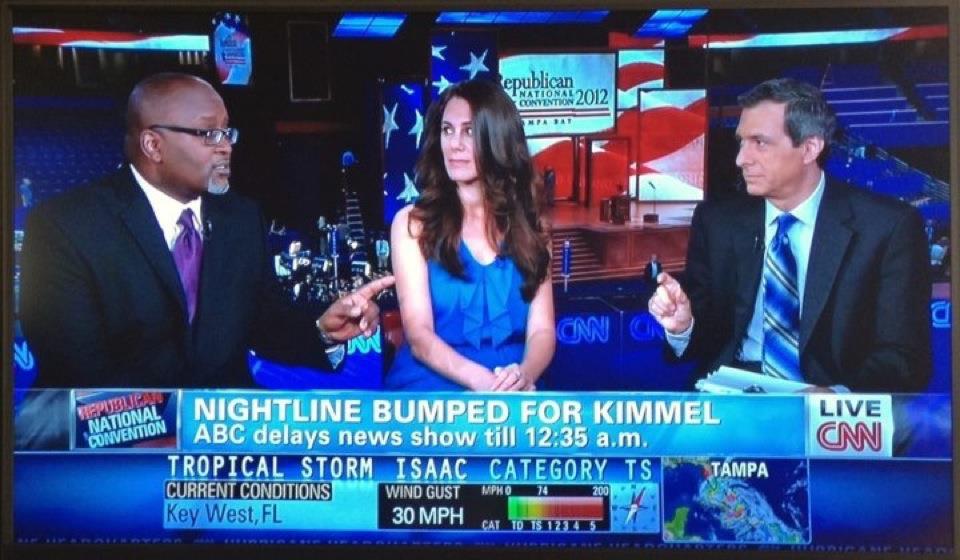
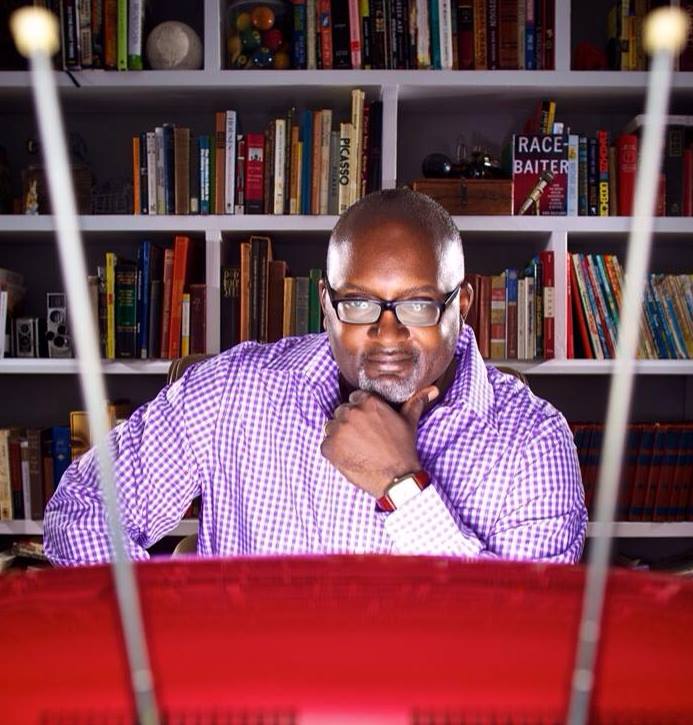
Eric is also a guest instructor and member of the National Advisory Board for the Poynter Institute for Media Studies in St. Petersburg, FL, appearing as guest host, interviewer or pundit on shows for CNN, MSNBC, PBS and other outlets. He came to NPR from the Tampa Bay Times newspaper in Florida, where he served as TV/Media Critic and in other roles for nearly 20 years. A professional journalist since 1990, he is the author of Race-Baiter: How the Media Wields Dangerous Words to Divide a Nation, a look at how prejudice, racism and sexism fuels some elements of modern media, published in October 2012 by Palgrave Macmillan.
A native of Gary, Indiana, Eric was inducted in 2024 into the Indiana Journalism Hall of Fame. He has also served as a moderator for discussions organized by the Smithsonian Institution, the National Endowment for the Arts, The National Book Festival, the Chautauqua Institute and the South By Southwest conference. He has earned the Distinguished Alumni Service Award from Indiana University – the institution’s highest alumni honor. In 2019, Eric became the first African American to serve as chairman for the jurors who select the George Foster Peabody Awards for excellence in electronic media at the University of Georgia; his one-year tenure capped a total six years he served on the board of jurors.
Subscribe to the Substack posts:
Switching Codes with Eric Deggans
PREVIOUSLY ON SOCIAL MEDIA


When public officials use offensive language, should journalists repeat it? - Poynter
Public officials are reviving terms many newsrooms have abandoned, forcing journalists to weigh accuracy against amplification
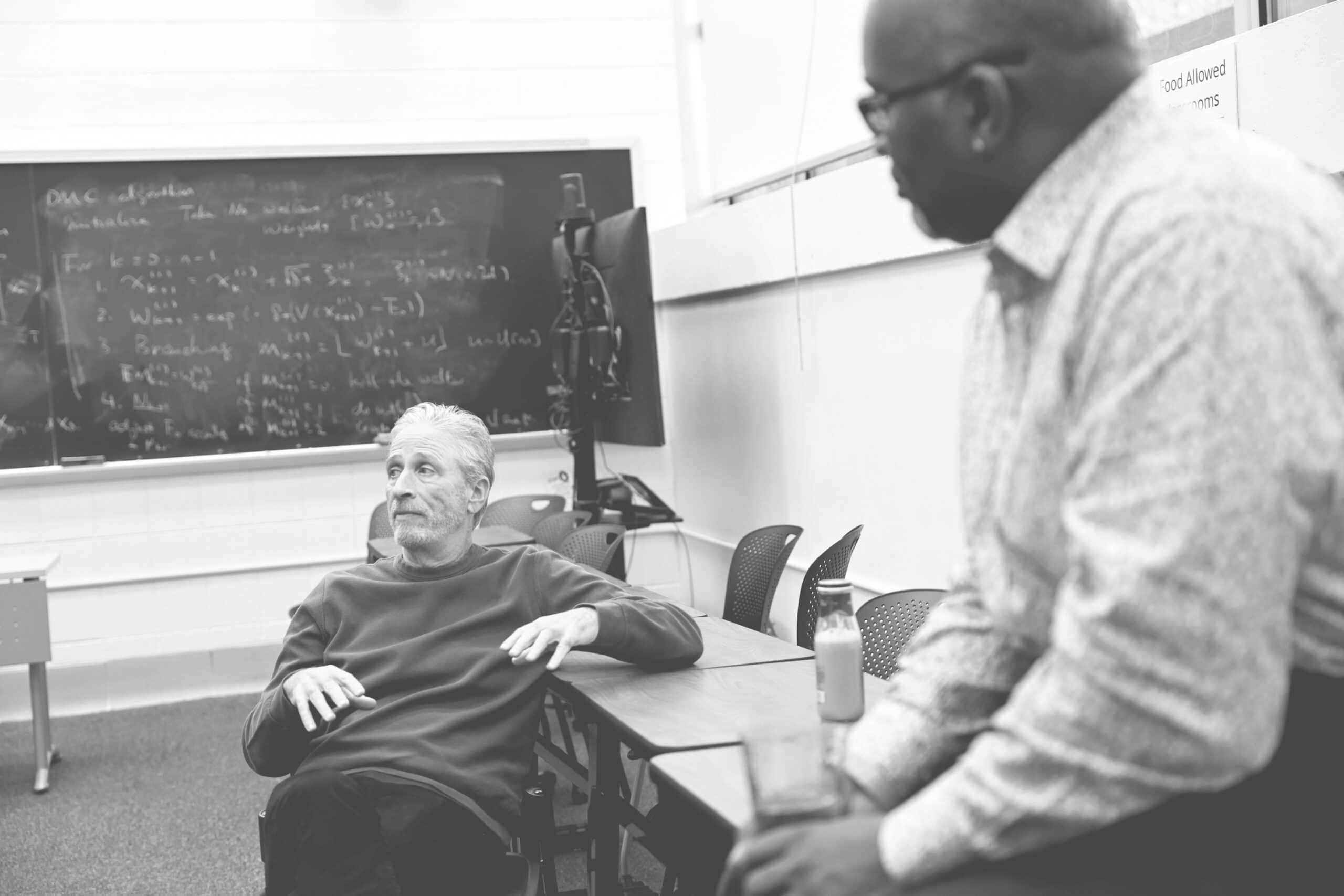
The Daily Show News Team at SXSW: Content From Their Couches
TBD | A Colbert Report | What Next | Daily News and Analysis
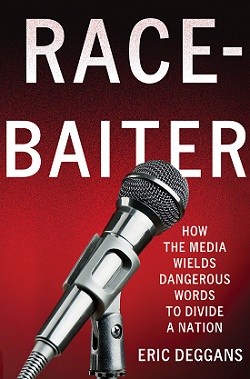
In Race-Baiter: How the Media Wields Dangerous Words to Divide a Nation, Eric describes how some media outlets have weaponized messages of fear, division and social conflict. They exacerbate old prejudices and deep-rooted fears about women, people of color, immigrants, Muslims and other marginalized groups, seeking a loyal audience, advertising dollars and political power.
Gone is the era of three-channel television, when every outlet fought to serve a wide spectrum of American viewers. Today, many pundits, bloggers, podcasters and cable news anchors aim instead for a passionate niche of fans. When that process illuminates a previously overlooked group, it is a wonderful exercise in equality. But when it segments viewers along race, class and gender lines, resisting America’s proud legacy of progress through diversity, then problems arise. Deggans experienced this phenomenon firsthand when he was called a “race-baiter” by then-Fox News Channel anchor Bill O’Reilly.
The term “Race-Baiter” — once applied to those who unfairly leveraged racism against minorities — has been recast by some to describe anyone who criticizes prejudice in modern media. The conflict at hand: a debate on whether systemic racism and prejudice still affects marginalized groups in America.
The book also features an interview with conservative firebrand Andrew Breitbart conducted five months before his death and an interview with pundit Tucker Carlson years before he would become Fox News Channel’s biggest star.
Well ahead of the current drive to diversify fictional TV shows, Eric details how the nation’s four largest TV networks were nearly sued by the NAACP for their lack of onscreen diversity. Before CBS declared 50 percent of its contestants on unscripted “Reality TV” shows like Survivor and Big Brother would be non-white people, Race-Baiter dissected how racial politics made it much harder for contestants of color to succeed on those shows.
Race-Baiter sounds the alarm for a more civil discourse, showing that the more we talk past each other, the further we drift from solutions to our very real problems.
Get Your Copy Now